THE PLAYBOOK · BXBZYS
Classic Sudoku: rules and examples
Bring your attention to one round of Classic Sudoku. Fill all cells with 1–9; do not repeat a symbol in any row, column or region. Look at what changes after your first action. Choose a comfortable screen position before beginning. Use the example below to understand a decision.
Bring this focus to a round
After a move, check what changed. Decide which rule explains the new state before acting again. Keep the objective visible.
Understand the aim
Fill all cells with 1–9; do not repeat a symbol in any row, column or region. The feedback beside the game helps you follow the round. Start with a deliberate move.
Follow these playing steps
- Select an empty cell. The original clues cannot be edited.
- Choose a symbol from the number pad, or type it on a keyboard.
- Turn Notes on to record candidate symbols without committing an answer.
- Use Check entries to check your filled values. Hint reveals one value from the verified solution.
- Complete the board, or choose New puzzle for another board.
Controls
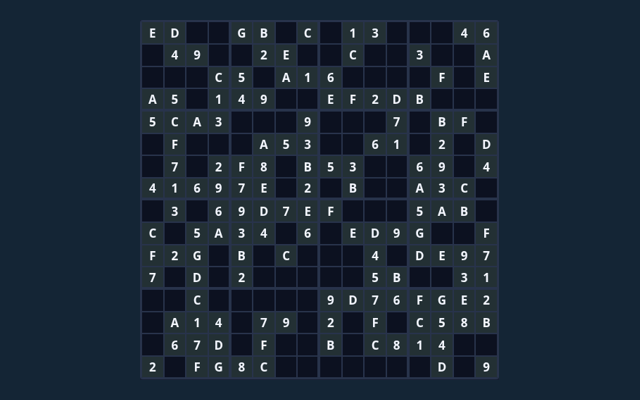
Tap or click a cell and use the number pad. Keyboard: arrows select cells; digits (and A–G on 16×16) enter values; Backspace erases. On a smaller screen, keep the active part of the board within view. Look at the feedback after the action.
A closer look at one example
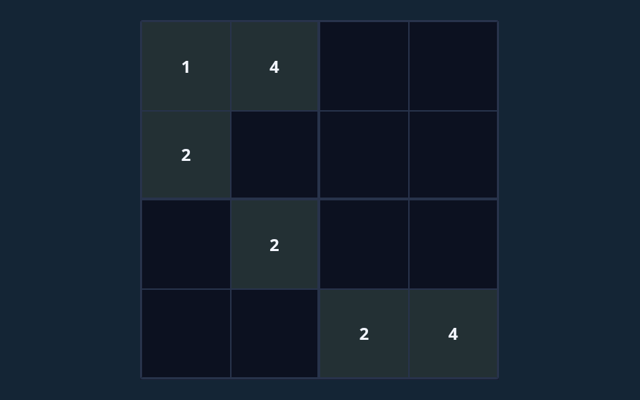
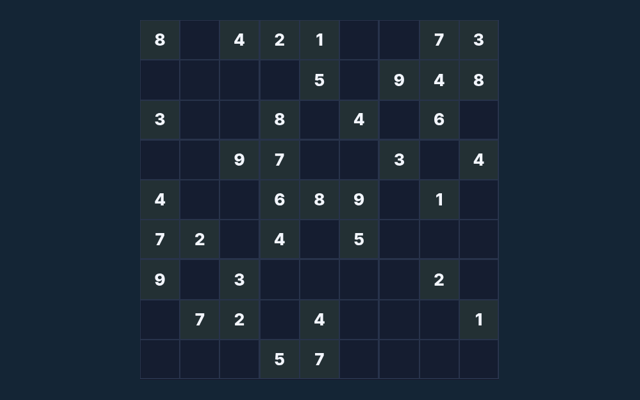
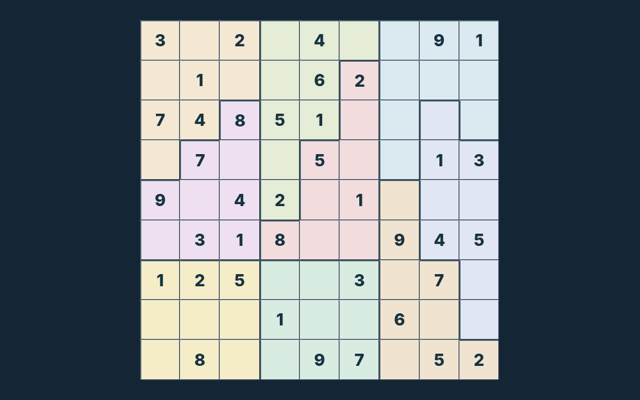
On one puzzle in this collection, row 1, column 2 has 3 in its solution. Read the clues on your current board before using that value; another puzzle can need a different entry. Apply the same reasoning to the position in your own round. Notice the change in the playing area.
Where a round can go wrong
Notes are reminders, not final entries. A full board only counts as complete when it satisfies every rule. Take a moment to reassess the position before continuing. Before your first action, say what you are trying to achieve. Then compare the result with the goal.
Game-specific help
For my first round, what is the goal of Classic Sudoku?
Here is the relevant explanation: Fill all cells with 1–9; do not repeat a symbol in any row, column or region.
While reading the Guide, how do I control Classic Sudoku?
Keep this in mind: Tap or click a cell and use the number pad. Keyboard: arrows select cells; digits (and A–G on 16×16) enter values; Backspace erases.
For a quick reminder, what example helps explain Classic Sudoku?
Keep this in mind: On one puzzle in this collection, row 1, column 2 has 3 in its solution. Read the clues on your current board before using that value; another puzzle can need a different entry.
As a new player, what should I watch out for in Classic Sudoku?
Keep this in mind: Notes are reminders, not final entries. A full board only counts as complete when it satisfies every rule.
When I return, what format does Classic Sudoku offer?
The key detail is this: Play using the solo mode shown on this page. Read the controls before starting a new round.
On this playing page, which play mode does Classic Sudoku use?
Here is the relevant explanation: The mode on this page is Solo. Same-device play uses one screen; this game library does not provide internet matchmaking.